The Rise of the Ritualistic in Branded Customer Experiences
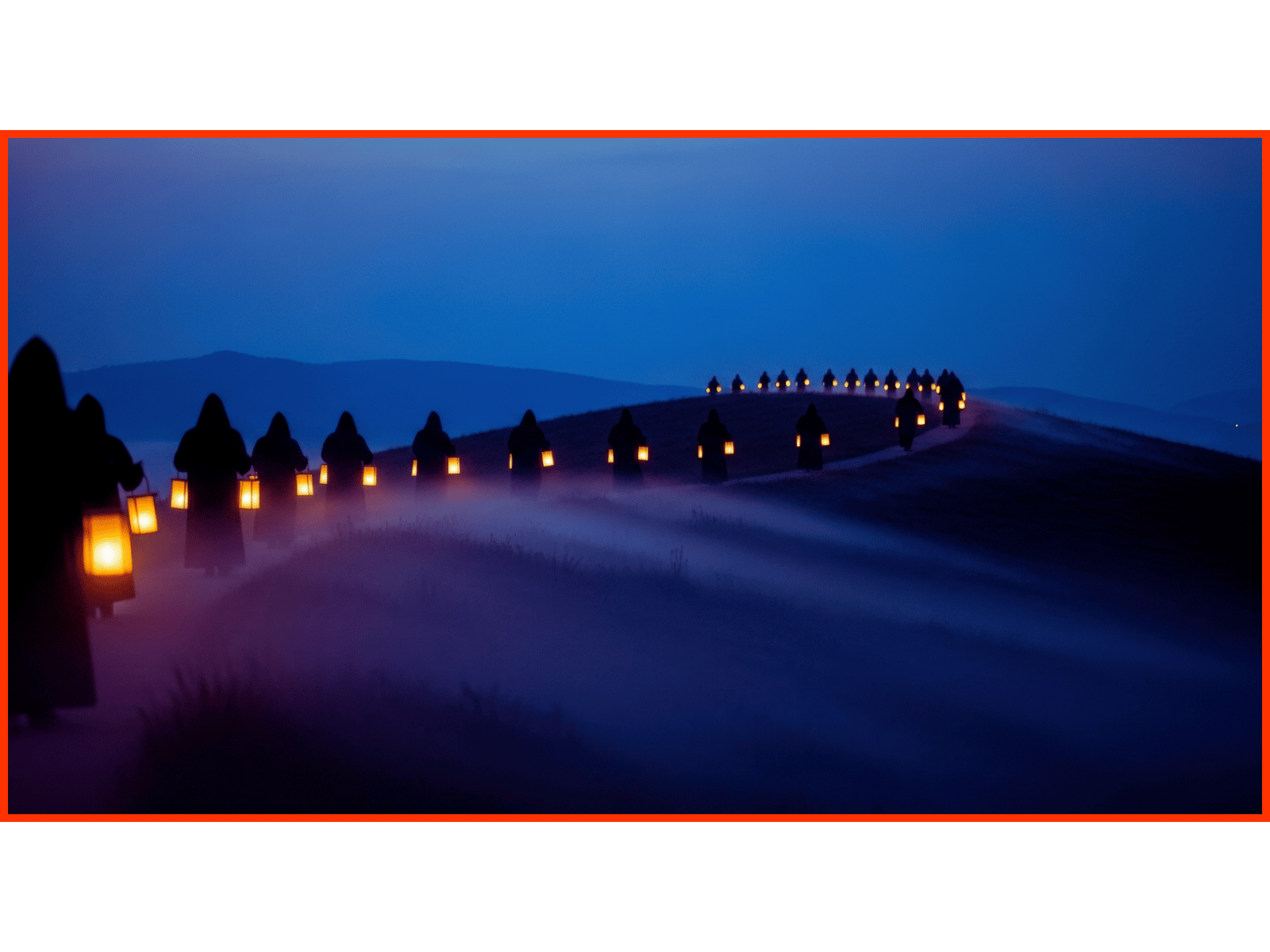
The two essays featured here were developed as part of a four-part thought leadership series on Branded CX—a strategic concept I advised innovation and design firm Ziba to own within the highly competitive landscape of experience design and innovation. Read one of the published Branded CX essays on the vital importance of employee experience to customer experience design.
The Impracticality of Rituals
Branded customer experience rituals are as diverse as the brands they animate. Consider avid fans quering up for routine Supreme streetwear drops—and researching the super secret ones. Fitness devotees gathered in the sanctifying atmospherics of SoulCycle’s candlelit rooms during the exclusive early years of the brand. The rapt audience reception of Apple’s product launches, sometimes staged in the spaceship-like Steve Jobs Theater. Each of these in their own way is a ritual that reinforces the respective brand persona and purpose and affirms the brand “tribe” with almost magical potency. Yet, as powerful as they are, due to the various psychological and sociocultural roles they play, the particular ethos that surrounds them, branded customer experience rituals can be the trickiest of all CX dimensions to design, adopt, promote, and develop.
It would seem an impossible leap, for instance, from the firewalking ceremonies of ancient Greece to the twisting open of an Oreo cookie. Yet cultural anthropologists argue that one of the defining traits of rituals is simply their lack of an obvious useful purpose. Pioneering anthropologist Dimitris Xygalatas’s book, Ritual, focuses on why these “seemingly senseless acts make life worth living.” Because they serve no practical purpose, they’re different from routines. They create meaning out of thin air, transforming, however fleetingly, the profane and mundane into the sacred and profound. They enable individuals to self-transcend and perceive a greater whole.
How Rituals Work
Cultural anthropologists have identified three more defining characteristics of rituals:
They use symbolic actions, gestures, or artifacts to convey deeper meanings—shared values, beliefs, and life experiences.
They often involve a formalized sequence of actions and are repeated over time, seasonally, or on the occasions marking stages of life—baptisms, memorials, marrriages, ceremonial rites of passage into adulthood. Their repetition and relative constancy foster a sense of cultural continuity and solidity while reinforcing group identity and belonging.
They involve heightened emotional experiences, which are brought about by various means such as music, scent, fire, dancing, a physically demanding or even painful action, song, prayer, silence, and storytelling.
The Growing Importance of Brand Rituals
If experienced as a group, rituals’ intense emotional feeling can become what the father of sociology Emile Durkheim delightfully termed “collective effervescence.” Randall Collins, who also explored and advanced the concept, writes that collective effervescence is “a process of intensification of shared experience,” and “a condition of heightened intersubjectivity.”
What are Taylor Swift fans experiencing at a live concert if not collective effervescence? And what musical icon works all the levers of brand ritual better than Taylor Swift, who so far in 2024 has generated $4.6 billion in consumer spending in the US alone?
The economic and cultural phenomenon that is Taylor Swift notwithstanding, heightened intersubjectivity, groups of people sharing intensely meaningful moments is precisely what is missing from many lives today. In May 2024, commencement speakers and a handful of graduation ceremonies themselves were cancelled in the US due to Israel-Hamas war protests. The last few years have seemed to many an endless loop of life rituals, interrupted. The Covid pandemic largely shut down in-person socializing, even the solemnest of rituals (many funerals took place on Zoom), and in the business arena, conferences and brand events of every stripe—fashion shows, concerts, road shows, new pop-up stores—were postponed indefinitely. The world is still recovering in many ways: New York City’s legendary hustle and bustle has not fully returned to pre-pandemic levels, and loneliness persists. According to a recent American Psychiatric Association monthly poll, one in three Americans cited they have felt lonely at least once a week over the past year. Loneliness is defined as: “feeling like you do not have meaningful or close relationships or a sense of belonging.”
Other macroenvironmental dynamics have made brand rituals more valuable. Polarized politics, armed conflicts, climate crises, AI’s threats to jobs and a shared reality, and social media’s deleterious effects on mental health all contribute to a widely felt loss of mooring, a growing need for the shared rituals and beliefs that offer humans a convincing existential orientation. The global wellness industry, which surpassed $5.6 trillion in 2022, is spurring much of the rise of the ritualistic. Often small but symbolically vital acts have become more conscientiously celebrated, in part because they’ve been shown (and felt) to produce a myriad of psychological benefits: they boost pain thresholds and positive emotions, and reduce anxiety.
How Brands Are Responding
Experiential marketing—the most emphatically collective of branded customer experience rituals—has roared back after its Covid-induced crash. “US experiential marketing spend is projected to outpace that of overall advertising & marketing investments and US GDP by 3-6 percentage points in the 2022-2026 period.” Youthful apparel and accessories retailer Hollister, for instance, is investing in a somewhat historic, large-scale, multi-layered summer music program, which is also…”looking to address the more extensive conversation around mental health for Gen Z with an ambitious plan to stage ‘flash mob’-style concerts where teens meet most: high school.”
Third places, their vital importance to the quality of life now widely appreciated, are increasingly part of the repertoire of brand ritual design. Grocery stores have coffee shops, wine bars, and offer cooking and flower arranging lessons—functioning as the setting or intentional “mise-en-scène” for regular socializing and creating. Nordstrom's West Hollywood shop concept is, among other things, a “coffee and juice bar, and a manicure and beauty salon”—everything that facilitates everyday rituals and group connections except racks of merchandise. Gensler’s design concepts of the future workplace are nearly synonymous with the third place. Shopping malls have emphatically not taken their last breath, and, ironically, it is Gen Z that is most nostalgic for their role in ritual weekend wanderings and gatherings.
The Branded Experiential Differential
Global consultancy Kantar shows that even though up to 75% of brand building comes from experiential touchpoints, “In the race to digitize, a growing disconnect between brand promise and customer experience means that peoples’ emotional needs are being increasingly undermined or forgotten.” As we discussed in the first blog in our series, the exclusive focus on the functionality of the digital touchpoints of customer experience, on keeping up with the latest features, has drummed out that which differentiates—and drives superior consumer preference and loyalty: the brand’s persona, purpose, promise. Yet, these are the emotional bridges consumers cross.
Companies struggle to integrate their brand persona with their CX for other reasons as well. Though most businesses today invest in some form of social listening, many lack the means to be continuously monitoring and interpreting larger cultural currents or creatively exploring existing cultural rituals that might play a complementary part in the brand’s rituals. This kind of cultural probing requires specialized competencies and dedicated resources. Based on specialized consumer, competitive, and cultural research, our branded CX design of a leading eyewear retailer incorporates custom brand rituals that respond to today’s pressing need for confident, resilient self-concepts. Our branded CX of a leading coffee retailer incorporates ritualized moments that support social solidarity and humans’ need to be seen.
Experiment with Shared and Solitary Brand Rituals
All brands should explore ways to release the full bonding power of brand rituals, what French sociologist Pierre Bourdieu calls their social magic. Primary customer research and grounded theory research into customers’ attitudes and perceptions can be enriched with semiotic and anthropological analyses. A systematic measurement of consumers’ various emotional motivators for buying and believing in your brand can also be undertaken.
For those ritual moments experienced alone, no less potent in brands’ role as modern myth makers (think of the curious consumer behavior of videotaped “unboxing,” essentially a rite of initiation into the brand world), brands should gather insights into, and prototype facets of the brand experience that can grow more symbolically laden with repetition. Companies need to experiment with ideas that incorporate actions and artifacts that can deepen—through a shared existential framework—the meaningfulness of the consumer’s private moment.
We know that if created and executed well, branded CX rituals create indelible memories, forge psychological bonds, and encourage deep customer loyalty by fulfilling human desires for belonging and shared values, self-expression (individual and social identity), and meaningful ways to interpret and inhabit the world. In providing these values, brands can make their rituals essential to our individualized and our interpersonal lives, even in ways, perhaps especially in ways we don’t fully understand.